
Training for an Endurance Event: A Physical Therapist’s Approach to Performance & Recovery
More Than Just Crossing the Finish Line: Endurance Training, Recovery & Physical Therapy
At Stride, we believe incredible athletic achievements don’t happen by accident—they’re built through thoughtful training, smart recovery, and proper fueling.
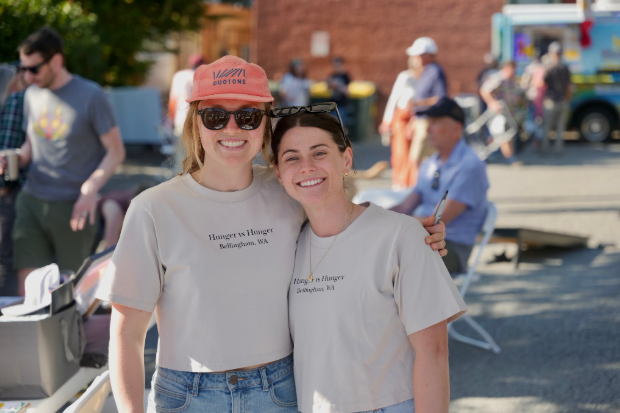
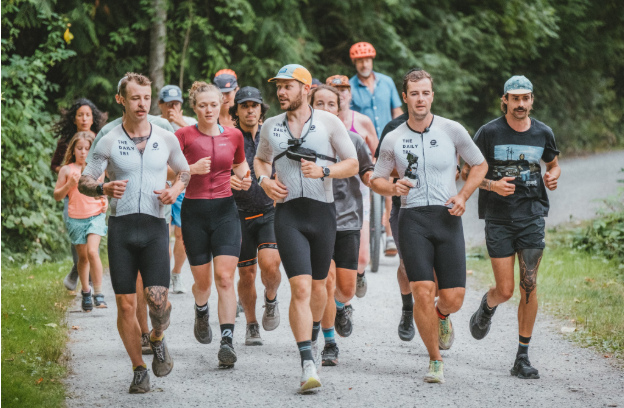
Our newest physical therapist, Nicole Lazar, PT, DPT, recently had the opportunity to support her longtime friend Ethan Hunger during his remarkable attempt to set a Guinness World Record by completing 22 super-sprint triathlons in 24 hours while raising money for the Bellingham Food Bank. Nicole wasn’t just cheering from the sidelines. She joined the support team, helped coordinate race-day nutrition logistics, and even ran portions of the event alongside Ethan.
Nicole’s experience reflects the way she approaches physical therapy every day. Before becoming a PT, she studied nutrition, giving her an appreciation for how movement, recovery, hydration, and fueling all work together to help people perform at their best—whether that’s completing a first 5K, qualifying for Boston, hiking the Enchantments, or chasing a world record.
As physical therapists, we often focus on strength, mobility, and injury prevention. But achieving ambitious goals requires more than just exercise. It takes a plan that supports the whole athlete.
Nicole’s story offers a behind-the-scenes look at the preparation, teamwork, and perseverance that made Ethan’s incredible accomplishment possible—and why the right support team can make all the difference.
Hunger vs. Hunger: 22 Super-Sprint Triathlons in 24 Hours
Looking to train for a triathlon? Try 22.
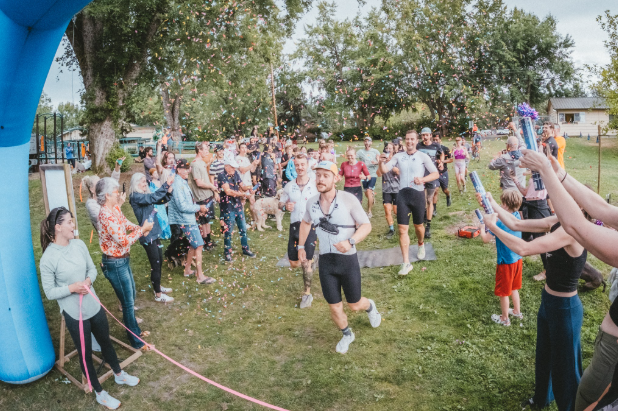
That’s exactly what Ethan Hunger did on July 24–25 during the sixth annual Hunger vs. Hunger fundraiser benefiting the Bellingham Food Bank. Each year Ethan designs an extraordinary endurance challenge to raise awareness and funds for food insecurity. Over six years, the event has raised more than $1 million for the community.
This year’s challenge was ambitious: attempt to break the Guinness World Record for the most super-sprint triathlons completed in 24 hours. The previous record was equivalent to 18 triathlons. Ethan completed an incredible 22 super-sprint triathlons in 24 hours, surpassing the previous record while awaiting official Guinness World Records confirmation.
The Bellingham Food Bank was a natural choice. As a Bellingham native, Ethan wanted to make the biggest impact possible in his hometown. As federal funding has declined, the food bank continues providing critical support to families throughout the region.
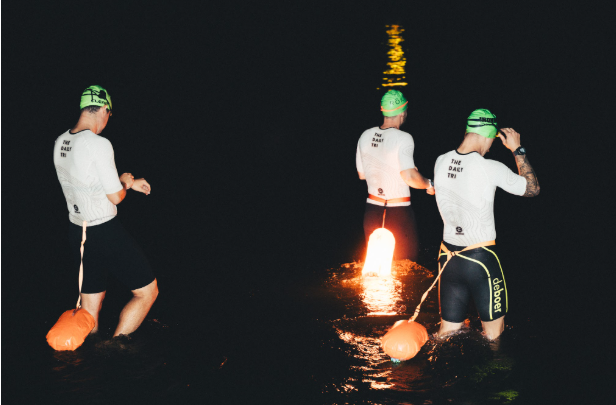
Preparing for a challenge like this started months before race day. Ethan worked closely with physical therapists and running coaches to build endurance while managing overuse injuries. Equally important was a carefully designed nutrition strategy that balanced carbohydrates, electrolytes, protein, fats, fluids, and recovery throughout the event. Every detail—from changing shoes and socks between loops to optimizing transitions—was planned in advance.
Nicole was proud to be one member of Ethan’s support team. She volunteered during the Hunger vs. Hunger silent auction, helped coordinate race-day nutrition logistics, and ran portions of the event alongside him. Watching the teamwork behind the scenes reinforced something she believes deeply as a physical therapist: remarkable performances are built long before race day through consistent training, smart recovery, and excellent support.
Whether your goal is a first 5K, a marathon, a triathlon, or simply returning to the activities you love, success comes from preparing the whole person—not just treating an injury.
Ready for Your Own Big Goal?
You don’t have to attempt 22 super-sprint triathlons in a day to benefit from a performance-focused approach to physical therapy. Whether you’re training for your first race, preparing for an endurance event, recovering from an injury, or simply trying to stay active for life, the right plan can help you perform better and recover smarter.
At Stride Physio in Seattle, Nicole combines evidence-based physical therapy with her background in nutrition and her understanding of recovery and endurance training to help athletes and active adults reach goals that matter to them. If you’ve got a challenge on your calendar, she’d love to help you prepare for it.
Nicole Lazar’s Tips for Endurance Training
Train Early
As the saying goes, Rome wasn’t built in a day—and neither is endurance. Building strength and aerobic capacity takes time. Most Ironman training plans span five to nine months, allowing your body to gradually adapt to increasing demands. With consistency and a well-designed plan, your body is capable of incredible things.
Food Is Fuel
Training is only half the equation. Proper nutrition is essential for both performance and recovery. Many athletes underestimate how much fuel they need, leaving them fatigued and increasing their risk of injury. Prioritizing a balanced intake of carbohydrates, protein, and healthy fats can make all the difference throughout training and on race day.
Prioritize Recovery
Rest days are part of the training plan—not a break from it. Every workout creates stress that your body needs time to repair and adapt to. Prioritizing sleep, hydration, and recovery allows you to replenish energy stores, rebuild tissues, reduce injury risk, and continue improving over time.
Address Injuries Early
Even the best training plans come with unexpected challenges. If something starts to feel off or pain begins to develop, don’t ignore it. Addressing injuries early with the help of a physical therapist can prevent small issues from becoming major setbacks and keep you progressing toward your goals.